
A Complete Guide to Growing Tarragon at Home
Published: January 6, 2026 at 4:36:05 PM UTC
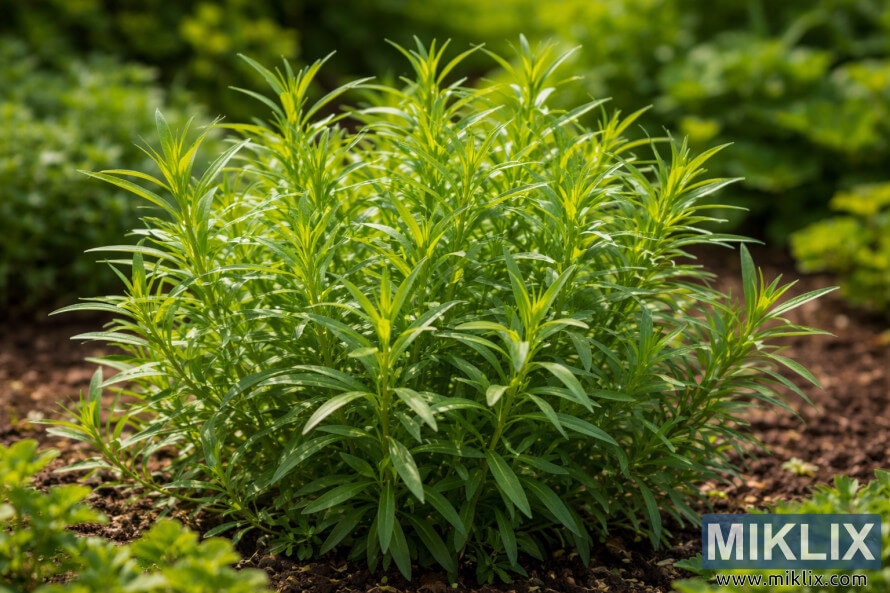
Tarragon is a flavorful herb that adds a distinctive anise-like taste to your culinary creations. Growing your own tarragon ensures you'll have access to fresh, aromatic leaves whenever you need them.
Click or tap the image for more information and higher resolutions.
Whether you're a beginner or experienced gardener, this comprehensive guide will walk you through everything you need to know about growing tarragon successfully – from choosing the right variety to harvesting and storing your bounty.
French vs. Russian Tarragon: Choosing the Right Variety
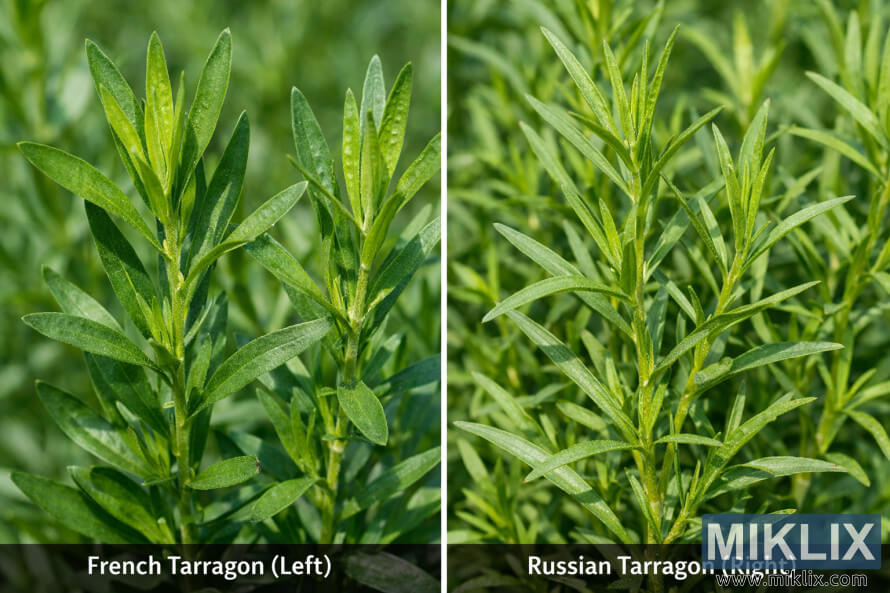
There are two main types of tarragon available to home gardeners, and understanding their differences is crucial for success:
French Tarragon (Artemisia dracunculus 'Sativa')
French tarragon is the culinary star, prized by chefs worldwide for its distinctive anise-like flavor with hints of licorice. This variety grows to about 24-36 inches tall with slender, smooth leaves. French tarragon rarely flowers or produces seeds, meaning it must be propagated through cuttings or divisions.
The flavor is warm and aromatic, making it perfect for classic French dishes, béarnaise sauce, and flavored vinegars. While more challenging to grow, its superior taste makes it worth the effort.
Russian Tarragon (Artemisia dracunculus 'Inodora')
Russian tarragon is more robust and easier to grow, reaching heights of up to 3 feet. It produces more abundant foliage but offers significantly less flavor than its French counterpart. Many gardeners find it has a grassy, slightly bitter taste that lacks the distinctive anise notes.
While it can be grown from seed (unlike French tarragon), its mild flavor makes it less desirable for culinary purposes. However, it's more cold-hardy and can be a good option for challenging growing conditions.
Click or tap the image for more information and higher resolutions.
Choosing the Right Location for Growing Tarragon
Tarragon thrives in specific conditions. Creating the ideal environment will help ensure your plants grow vigorously and produce flavorful leaves.
Sunlight Requirements
French tarragon performs best in full sun to partial shade. In cooler climates, provide at least 6-8 hours of direct sunlight daily. In hot regions (zones 8 and above), some afternoon shade can prevent stress during the hottest summer months.
Soil Type and Preparation
Tarragon requires well-drained soil with moderate fertility. The ideal soil characteristics include:
- Sandy or loamy texture that drains quickly
- Neutral to slightly acidic pH (6.5-7.5)
- Moderate organic matter content
- Good aeration for root development
Before planting, prepare your soil by incorporating 1-2 inches of compost to improve drainage and provide mild fertility. Avoid over-fertilizing, as this can reduce the intensity of tarragon's flavor.
Drainage Considerations
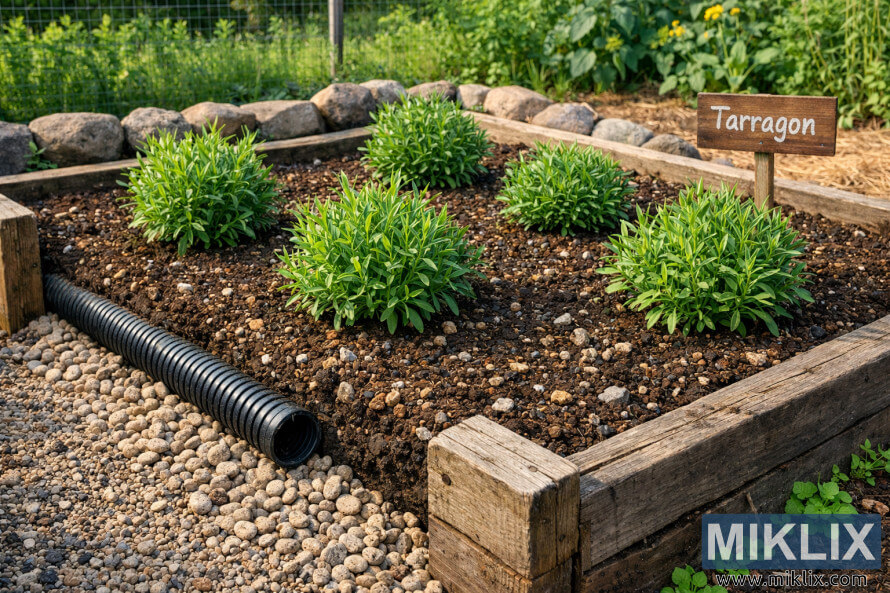
Poor drainage is the primary cause of tarragon failure. The plant's roots are susceptible to rot in wet conditions. If your garden soil tends to stay damp, consider these solutions:
For Garden Beds:
- Create raised beds at least 8-12 inches high
- Mix in 25-30% coarse sand or fine gravel
- Install drainage tiles beneath heavy soils
For Container Growing:
- Use containers with multiple drainage holes
- Add a 1-inch layer of gravel at the bottom
- Use high-quality potting mix with added perlite
Click or tap the image for more information and higher resolutions.
Planting Methods for Tarragon
Since French tarragon rarely produces viable seeds, most gardeners use vegetative propagation methods. Here's how to start your tarragon plants using different techniques:
From Cuttings
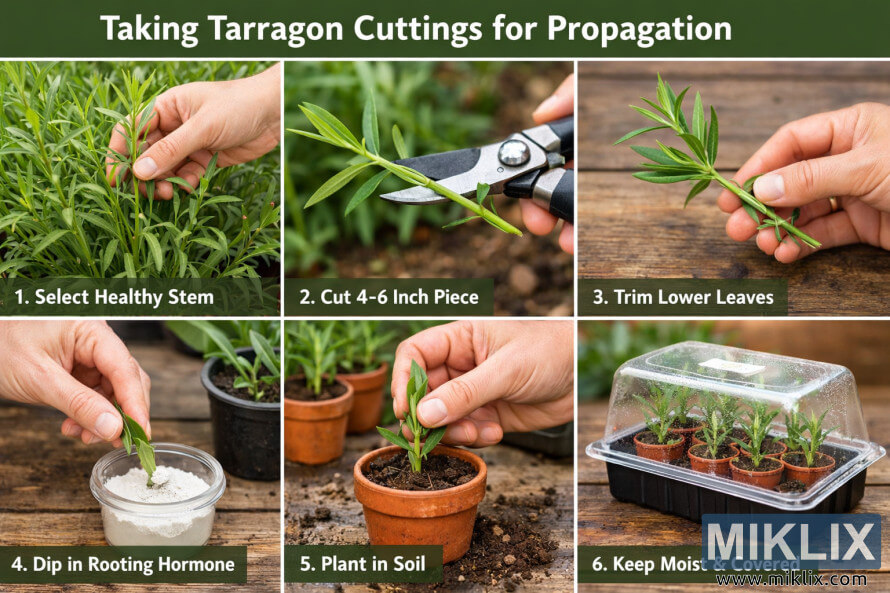
Taking stem cuttings is the most reliable method for propagating French tarragon:
- In early morning, cut 4-6 inch stems from a healthy tarragon plant
- Remove leaves from the bottom third of each cutting
- Dip the cut end in rooting hormone (optional but helpful)
- Plant in a pot with moist potting mix or vermiculite
- Cover with a clear plastic bag to maintain humidity
- Place in bright, indirect light
- Roots should develop within 2-4 weeks
- Transplant to their permanent location after roots are established
Click or tap the image for more information and higher resolutions.
By Division
Division is best done in early spring when new growth begins to appear:
- Dig up an established tarragon plant (at least 2-3 years old)
- Gently shake off excess soil to expose the root system
- Using a sharp knife, divide the root ball into sections, ensuring each has stems and roots
- Replant divisions immediately at the same depth as the original plant
- Space divisions 18-24 inches apart
- Water thoroughly after planting
From Purchased Plants
For beginners, starting with nursery plants is often the easiest method:
- Purchase plants from a reputable nursery in spring after the last frost
- Verify you're buying French tarragon by gently crushing a leaf and checking for the distinctive anise scent
- Choose plants with vibrant green leaves and no signs of yellowing
- Plant at the same depth as the nursery container, spacing plants 18-24 inches apart
- Water thoroughly after planting
Container Planting
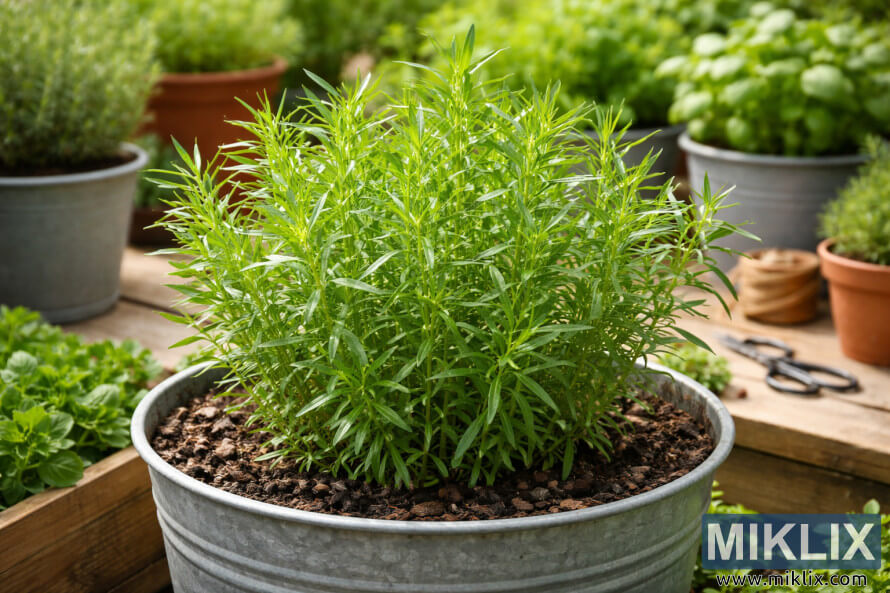
Tarragon grows exceptionally well in containers, which can help control soil conditions:
- Select a container at least 12 inches deep and wide
- Ensure adequate drainage holes
- Use high-quality potting mix with added perlite or sand (about 20% by volume)
- Plant at the same depth as the nursery container
- Place in a location receiving 6-8 hours of sunlight
- For winter protection in cold regions, move containers to a sheltered location
Click or tap the image for more information and higher resolutions.
Care and Maintenance for Healthy Tarragon
Proper care ensures your tarragon plants remain productive and flavorful throughout the growing season.
Watering Schedule
Tarragon prefers soil that dries out between waterings. Overwatering is a common mistake that can lead to root rot and plant failure.
- Newly planted tarragon: Water thoroughly after planting, then keep soil consistently moist (not wet) for the first 2-3 weeks until established
- Established plants: Allow soil to dry out between waterings; typically water once every 7-10 days during growing season
- Container plants: Check moisture more frequently as containers dry out faster; water when the top inch of soil feels dry
- During hot weather: Increase watering frequency but not amount; morning watering is best
- Winter care: Reduce watering significantly during dormant period
Watering Tip: Tarragon is drought-tolerant once established. When in doubt, it's better to underwater than overwater this herb.
Fertilizing Needs
Tarragon produces the best flavor when grown in moderately fertile soil. Excessive fertilization results in lush growth but diminished flavor.
- Apply a light application of balanced, slow-release organic fertilizer in early spring
- For container plants, use half-strength liquid organic fertilizer once a month during growing season
- Stop fertilizing by mid-summer to prepare plants for fall and winter
- Avoid high-nitrogen fertilizers which reduce essential oil content
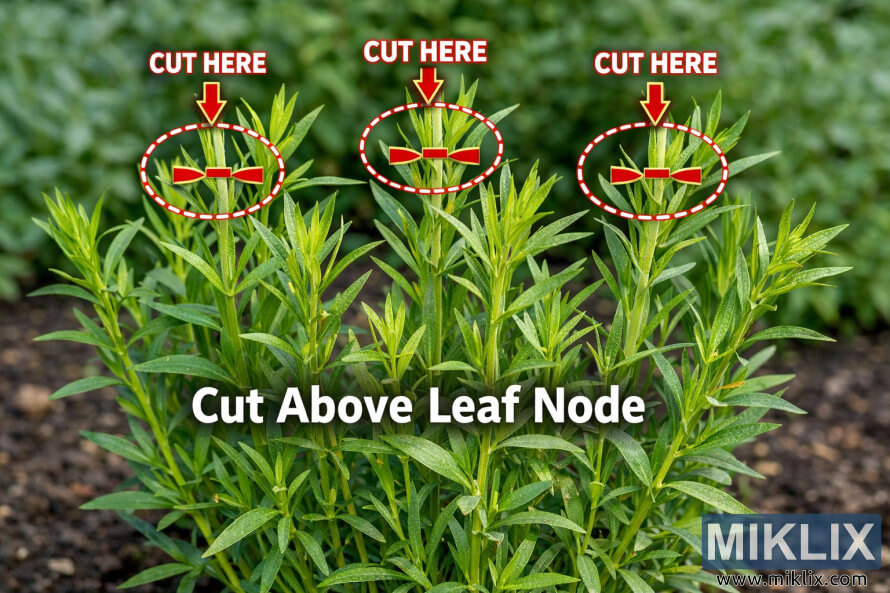
Pruning Techniques
Regular pruning encourages bushy growth and prevents plants from becoming leggy:
- Begin harvesting when plants reach 6-8 inches tall
- Pinch growing tips regularly to encourage branching
- Remove flower buds as they appear to maintain leaf production
- In mid-summer, cut back plants by one-third to stimulate fresh growth
- In late fall, cut plants back to 2 inches above soil level in regions with mild winters
Click or tap the image for more information and higher resolutions.
Winter Protection
French tarragon is hardy to USDA zones 4-9 but benefits from winter protection in colder regions:
For Garden Plants:
- After first frost, cut back stems to 2 inches above soil
- Apply 2-3 inches of mulch (straw, leaves, or pine needles)
- In zones 4-5, cover with a frost blanket during extreme cold
- Remove mulch gradually in spring as new growth appears
For Container Plants:
- Move containers to a protected location (unheated garage or basement)
- Reduce watering to once every 3-4 weeks
- Alternatively, bury containers in the ground up to the rim and mulch
- In spring, gradually reintroduce to outdoor conditions
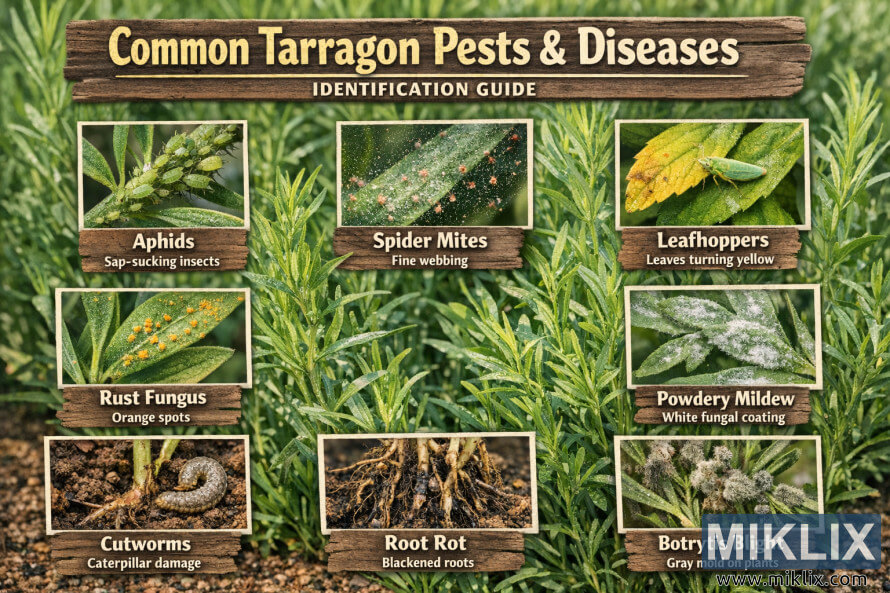
Common Pests and Diseases
While tarragon is generally resistant to most pests and diseases, a few issues can arise. Here's how to identify and address them using organic methods:
Pests
Aphids
Signs: Clusters of tiny green or black insects on new growth; sticky residue on leaves
Treatment: Spray with strong water stream to dislodge; apply insecticidal soap or neem oil for severe infestations
Spider Mites
Signs: Fine webbing on undersides of leaves; stippled, yellowing foliage
Treatment: Increase humidity; spray leaves (including undersides) with water; apply insecticidal soap or neem oil
Leafhoppers
Signs: Small, wedge-shaped insects that jump when disturbed; mottled leaves
Treatment: Remove affected leaves; use yellow sticky traps; apply diatomaceous earth around plants
Diseases
Powdery Mildew
Signs: White, powdery coating on leaves; typically appears in humid conditions
Treatment: Improve air circulation; avoid overhead watering; spray with diluted milk solution (1:9 milk to water) or commercial organic fungicide
Root Rot
Signs: Wilting despite moist soil; yellowing leaves; soft, brown roots
Treatment: Improve drainage; reduce watering; in severe cases, take healthy cuttings to start new plants
Rust
Signs: Orange-brown pustules on leaf undersides; yellowing foliage
Treatment: Remove affected leaves; improve air circulation; apply sulfur-based fungicide for severe cases
Prevention Tip: The best defense against pests and diseases is maintaining optimal growing conditions. Proper spacing, good air circulation, and appropriate watering significantly reduce the risk of problems.
Click or tap the image for more information and higher resolutions.
Harvesting and Storing Tarragon
Knowing when and how to harvest tarragon ensures you'll capture its peak flavor and aroma.
When to Harvest
Timing is crucial for optimal flavor in your tarragon harvest:
- First harvest: When plants reach 6-8 inches tall, typically 6-8 weeks after planting
- Peak season: Late spring through mid-summer, before flowering begins
- Best time of day: Morning, after dew has dried but before the heat of the day
- Frequency: Regular harvesting (every 2-3 weeks) encourages new growth
- Final harvest: Complete a larger harvest in late summer before plants begin to decline
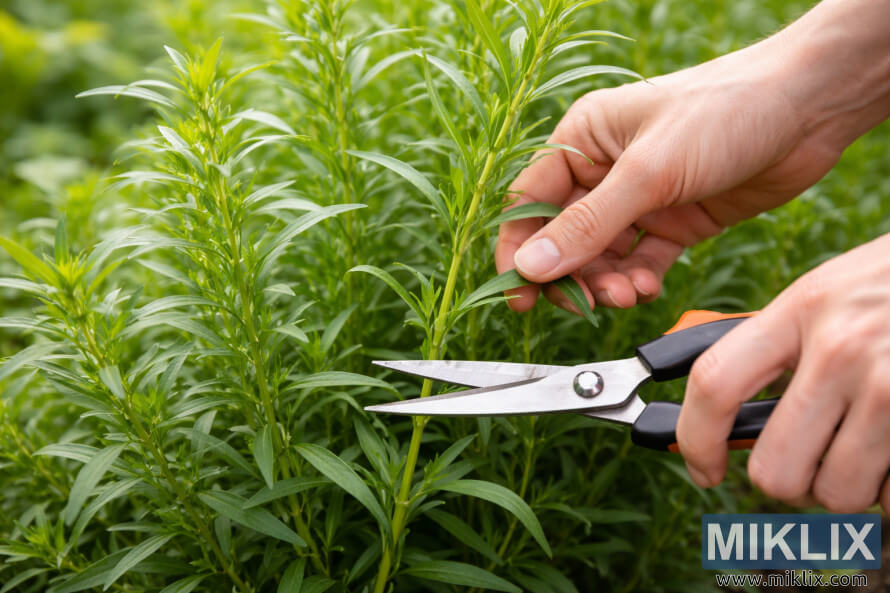
How to Harvest
Proper harvesting techniques help maintain plant health while maximizing your yield:
- Use clean, sharp scissors or pruning shears
- Cut stems 2-3 inches above the ground
- Harvest no more than one-third of the plant at once
- Focus on stems rather than individual leaves
- Select stems with bright green, aromatic leaves
Click or tap the image for more information and higher resolutions.
Fresh Storage Methods
To keep freshly harvested tarragon at its best:
- Short-term (1-2 days): Place stems in a glass of water like a bouquet, cover loosely with a plastic bag, and refrigerate
- Medium-term (up to 1 week): Wrap stems in slightly damp paper towels, place in a perforated plastic bag, and refrigerate
- Herb-infused vinegar: Place clean stems in white wine vinegar for a flavorful addition to dressings and marinades
Drying Tarragon
While tarragon loses some flavor when dried, it's still worth preserving:
- Harvest stems in the morning after dew has dried
- Rinse gently if needed and pat completely dry
- Bundle 5-8 stems together with twine or a rubber band
- Hang bundles upside down in a warm, dark, well-ventilated area
- Allow to dry for 1-2 weeks until leaves crumble easily
- Remove dried leaves from stems and store in airtight containers
- Keep in a cool, dark place for up to 6 months
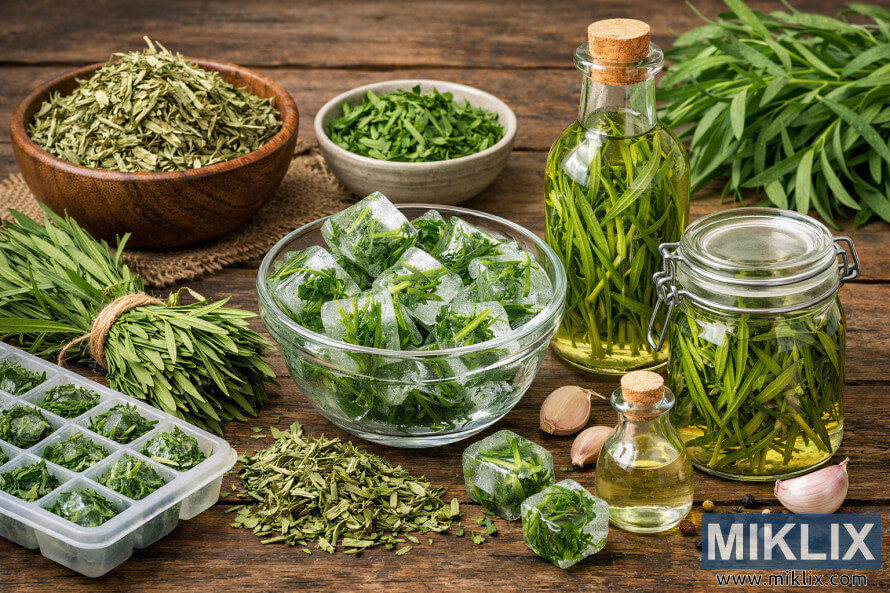
Freezing Tarragon
Freezing preserves more flavor than drying:
Method 1: Whole Leaves
- Remove leaves from stems
- Spread on a baking sheet in a single layer
- Freeze until solid (about 2 hours)
- Transfer to freezer bags or containers
- Store for up to 6 months
Method 2: Herb Cubes
- Chop leaves finely
- Fill ice cube trays halfway with leaves
- Cover with water or olive oil
- Freeze until solid
- Transfer cubes to freezer bags
- Store for up to 12 months
Click or tap the image for more information and higher resolutions.
Companion Planting with Tarragon
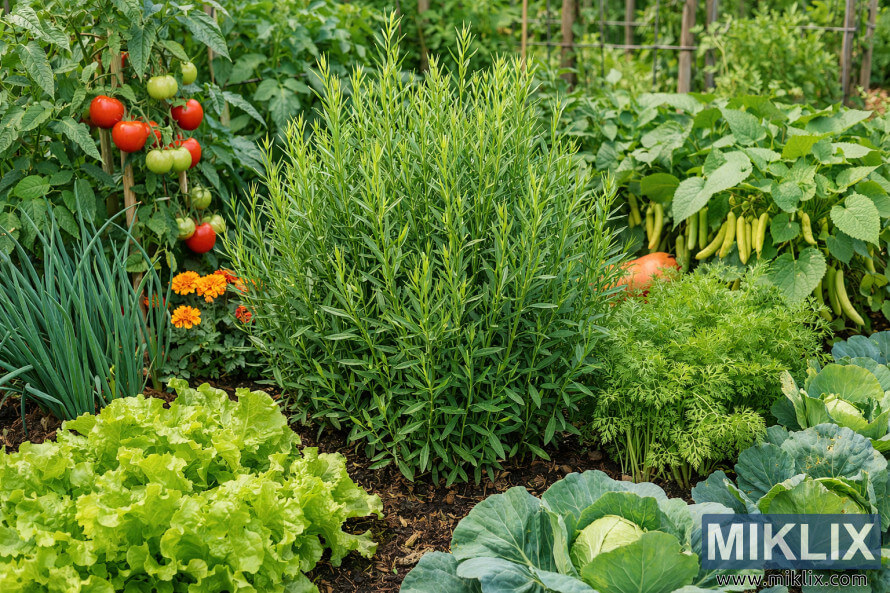
Tarragon makes an excellent companion for many garden plants. Its aromatic qualities can help repel certain pests while enhancing the growth of neighboring plants.
Good Companions
- Eggplant: Tarragon may improve growth and flavor
- Tomatoes: Tarragon can deter pests that attack tomatoes
- Peppers: Grow well together and share similar requirements
- Cabbage family: Tarragon may help repel cabbage moths
- Strawberries: Tarragon can enhance strawberry growth
- Other herbs: Basil, thyme, and parsley make good neighbors
Poor Companions
- Fennel: Competes with tarragon and may inhibit growth
- Mint: Too aggressive and will compete for space
- Sage: May compete for similar nutrients
- Rosemary: Different water requirements can make co-planting challenging
Beneficial Garden Layout
Consider these arrangements when planning your garden:
- Plant tarragon at the corners of raised vegetable beds to help deter pests
- Create an herb border with tarragon spaced between lower-growing herbs
- Intersperse tarragon plants throughout vegetable gardens rather than grouping them
- Use tarragon in container combinations with compatible herbs and vegetables
Click or tap the image for more information and higher resolutions.
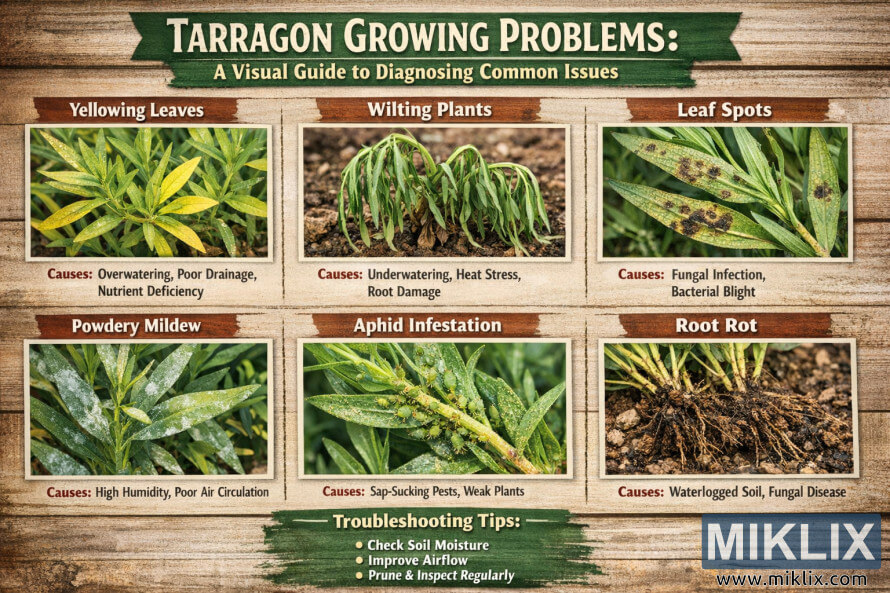
Troubleshooting Common Growing Problems
Even experienced gardeners encounter challenges when growing tarragon. Here's how to identify and resolve common issues:
Leggy, Sparse Growth
Causes: Insufficient light, overcrowding, or excessive nitrogen fertilizer
Solutions:
- Move plants to a sunnier location (at least 6 hours of direct sun)
- Thin plants to ensure proper spacing (18-24 inches apart)
- Cut back on nitrogen-rich fertilizers
- Prune regularly to encourage bushier growth
Yellowing Leaves
Causes: Overwatering, poor drainage, nutrient deficiency, or pest infestation
Solutions:
- Check soil moisture and reduce watering if soil feels wet
- Improve drainage by adding organic matter or raising the planting area
- Apply a balanced, organic fertilizer if plants show signs of nutrient deficiency
- Inspect for pests on leaf undersides and treat accordingly
Poor Flavor
Causes: Wrong variety (Russian instead of French), excessive fertilizer, insufficient sunlight, or harvesting at wrong time
Solutions:
- Verify you're growing French tarragon by checking the aroma
- Reduce fertilizer applications to enhance essential oil production
- Ensure plants receive adequate sunlight
- Harvest in morning hours before the heat of the day
Winter Die-Back
Causes: Excessive moisture during cold months, insufficient protection in cold zones
Solutions:
- Improve winter drainage by adding coarse sand to soil
- Apply 2-3 inches of mulch after ground freezes
- In zones 4-5, cover plants with frost blankets during extreme cold
- Consider growing in containers that can be moved to protected areas
Flowering and Reduced Leaf Production
Causes: Natural maturation process, stress from heat or drought
Solutions:
- Remove flower buds as soon as they appear
- Cut back plants by one-third in mid-summer to stimulate new growth
- Provide afternoon shade during hottest months
- Ensure consistent watering during dry periods
Click or tap the image for more information and higher resolutions.
Enjoying Your Tarragon Harvest
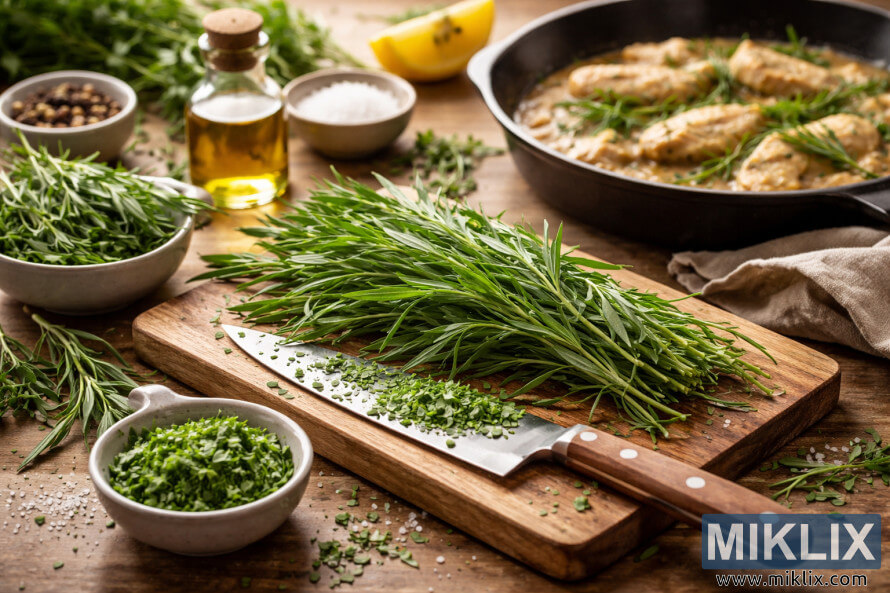
Growing your own tarragon rewards you with a fresh, flavorful herb that enhances countless dishes. French tarragon's distinctive anise-like flavor pairs beautifully with chicken, fish, eggs, and vegetables. It's an essential ingredient in béarnaise sauce and adds complexity to vinaigrettes and marinades.
With proper care and attention to its specific needs, your tarragon plants can provide years of harvests. Remember that this herb prefers well-drained soil, moderate watering, and regular harvesting to maintain its bushy growth habit. Whether you're growing in garden beds or containers, tarragon makes a valuable addition to any herb garden.
Click or tap the image for more information and higher resolutions.
Further Reading
If you enjoyed this post, you may also like these suggestions:
- A Complete Guide to Growing Thyme From Planting to Harvest
- A Guide to Growing Your Own Sage
- A Complete Guide to Growing Ginger at Home