
A Guide to the Best Tomato Varieties to Grow Yourself
Published: December 9, 2025 at 8:37:33 PM UTC
There's something magical about biting into a sun-warmed tomato picked fresh from your own garden. The burst of flavor, the perfect balance of sweetness and acidity, and the satisfaction of growing it yourself create an experience that store-bought tomatoes simply can't match.

Click or tap the image for more information and higher resolutions.
With hundreds, if not thousands, of tomato varieties available, choosing which ones to grow can feel overwhelming. This guide will help you navigate the wonderful world of tomato varieties and find the perfect ones for your garden, whether you're a beginner or a seasoned grower.
Understanding Tomato Types: Your First Step to Success
Before diving into specific varieties, it's helpful to understand the different types of tomatoes you can grow. Each type has unique characteristics that make it suitable for different uses and growing conditions.
Different tomato types offer unique flavors, sizes, and growing characteristics
Determinate vs. Indeterminate: Growth Habits Matter
One of the most important distinctions between tomato varieties is their growth habit:
Determinate Tomatoes
- Grow to a predetermined height (usually 3-4 feet)
- Produce all their fruit within a 4-6 week period
- Ideal for container gardening and small spaces
- Perfect for canning as harvest comes all at once
- Typically require minimal staking or caging
Indeterminate Tomatoes
- Continue growing and producing until killed by frost
- Can reach heights of 6-10 feet or more
- Produce fruit throughout the growing season
- Require sturdy staking, caging, or trellising
- Ideal for fresh eating with extended harvests
Common Tomato Categories
Tomatoes come in various shapes, sizes, and flavors, each with its own best uses:
Cherry & Grape Tomatoes
Small, bite-sized fruits that are perfect for snacking and salads. They're typically the earliest to ripen and the most productive.
Paste & Roma Tomatoes
Meaty with fewer seeds and less water content, making them ideal for sauces, pastes, and canning.
Beefsteak Tomatoes
Large, juicy tomatoes perfect for sandwiches and burgers. They offer that classic tomato flavor and impressive size.
Heirloom Tomatoes
Open-pollinated varieties passed down through generations, known for exceptional flavor and unique appearances.
Hybrid Tomatoes
Crosses between two parent varieties, often offering improved disease resistance, yield, or other desirable traits.
Specialty Tomatoes
Unique varieties with distinctive colors, shapes, or flavors that stand out in the garden and on the plate.
Best Cherry Tomato Varieties to Grow
Cherry tomatoes are perfect for beginners and experienced gardeners alike. They're typically the first to produce fruit and continue bearing throughout the season. Their sweet flavor makes them favorites for snacking, salads, and roasting.
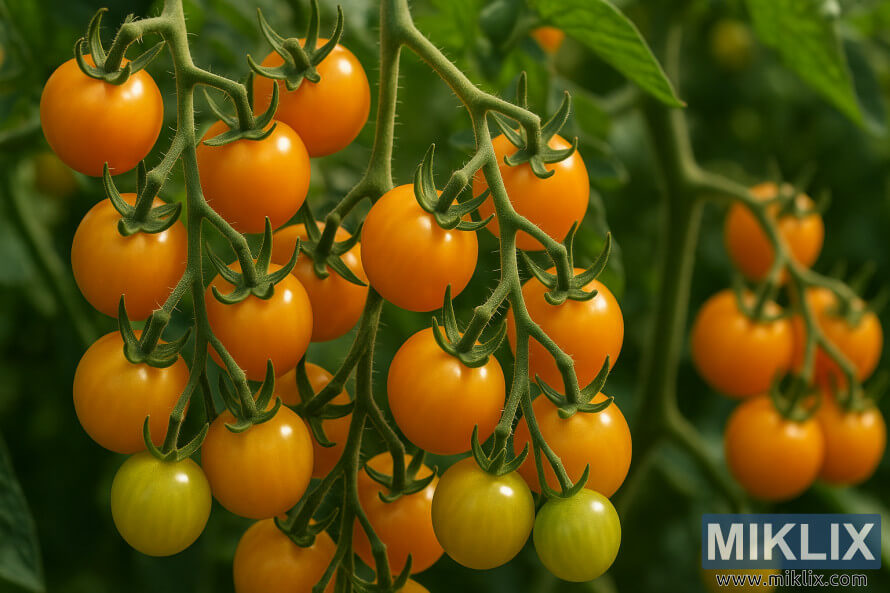
Sungold cherry tomatoes are known for their exceptional sweetness and productivity
Sungold
Indeterminate 57-65 days
Widely considered the sweetest tomato variety available, Sungold produces abundant clusters of golden-orange fruits with a tropical, fruity flavor that's almost candy-like. Plants are vigorous and disease resistant, making them perfect for beginners.
Best uses: Fresh eating, salads, roasting
Growing tip: Provide sturdy support as plants can reach 8+ feet and become heavy with fruit.
Click or tap the image for more information and higher resolutions.
Black Cherry
Indeterminate 65-75 days
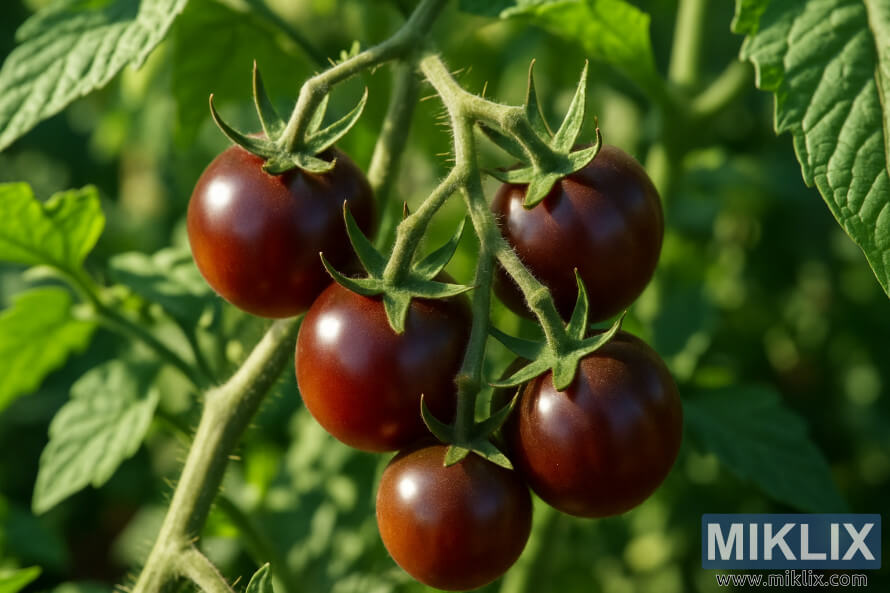
These dusky purple-black cherry tomatoes offer complex, rich flavor with perfect balance between sweetness and acidity. Often described as having the depth of flavor of larger heirloom varieties in a bite-sized package.
Best uses: Fresh eating, gourmet salads, roasting
Growing tip: Tolerates less-than-ideal conditions better than many varieties.
Sweet Million
Indeterminate 60-70 days
As the name suggests, this variety produces enormous quantities of sweet red cherry tomatoes on long trusses. Fruits resist cracking and have excellent disease resistance, making this a reliable producer even in challenging conditions.
Best uses: Snacking, salads, preserving
Growing tip: Harvest entire trusses for beautiful presentation.
Click or tap the image for more information and higher resolutions.
Best Paste and Roma Tomato Varieties
Paste tomatoes are the workhorses of the kitchen garden. With their meaty texture, fewer seeds, and lower moisture content, they're ideal for sauces, pastes, and canning projects. Growing your own paste tomatoes can elevate your homemade sauces to new heights.
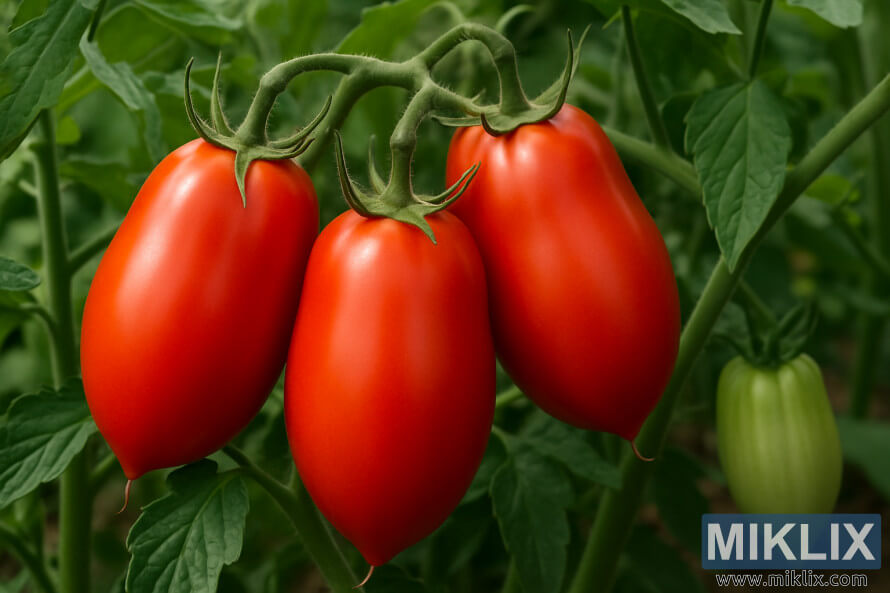
Roma tomatoes are prized for their meaty texture and excellent sauce-making qualities
Roma
Determinate 75-80 days
The classic paste tomato, Roma produces medium-sized, plum-shaped fruits with thick walls, few seeds, and minimal juice. Their determinate growth habit means you'll get a concentrated harvest perfect for canning days.
Best uses: Sauce, paste, canning, drying
Growing tip: Plant several at once for a substantial canning harvest.
Click or tap the image for more information and higher resolutions.
San Marzano
Indeterminate 80-90 days
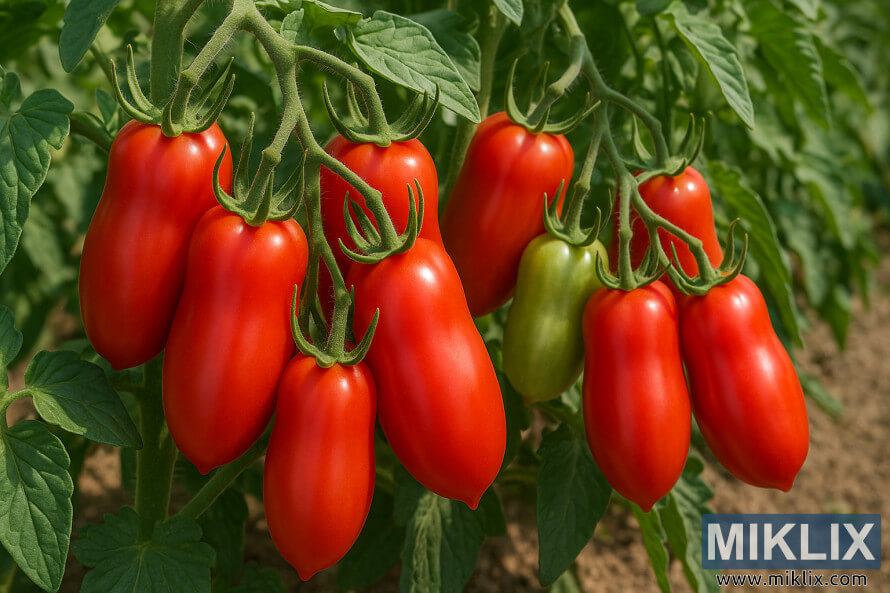
Considered the gold standard for sauce tomatoes, San Marzano produces elongated fruits with thick flesh, few seeds, and a rich, sweet flavor. The authentic Italian heirloom variety creates sauces with exceptional depth of flavor.
Best uses: Premium sauces, canning, roasting
Growing tip: Needs good calcium to prevent blossom end rot.
Click or tap the image for more information and higher resolutions.
Amish Paste
Indeterminate 80-85 days
This heirloom variety produces large, oxheart-shaped fruits that are juicier than most paste tomatoes but still excellent for sauce making. Their size and productivity make them a favorite for home canners.
Best uses: Sauce, canning, fresh eating
Growing tip: Benefits from pruning to focus energy on fruit production.
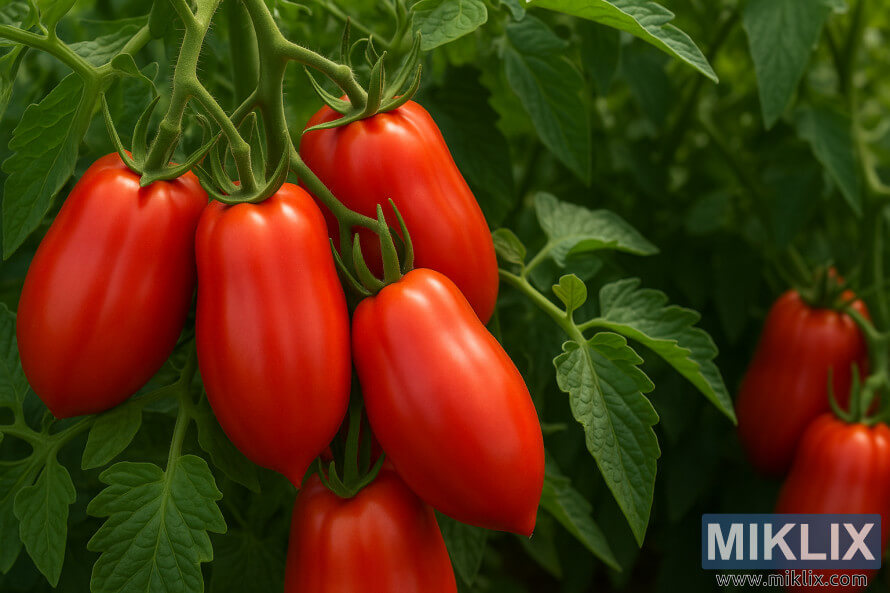
Click or tap the image for more information and higher resolutions.
Best Beefsteak and Slicing Tomato Varieties
Nothing beats a thick slice of homegrown beefsteak tomato on a sandwich or burger. These large, juicy tomatoes are the pride of many gardeners, offering that perfect balance of sweetness and acidity that defines true tomato flavor.
Brandywine
Indeterminate 80-100 days
This legendary Amish heirloom produces large, pink-red fruits up to 1.5 pounds with what many consider the perfect balance of sweetness and acidity. The flavor is rich and complex, often described as the ultimate "true tomato" taste.
Best uses: Fresh eating, sandwiches, as a showcase
Growing tip: Needs good support and benefits from pruning lower leaves to improve air circulation.
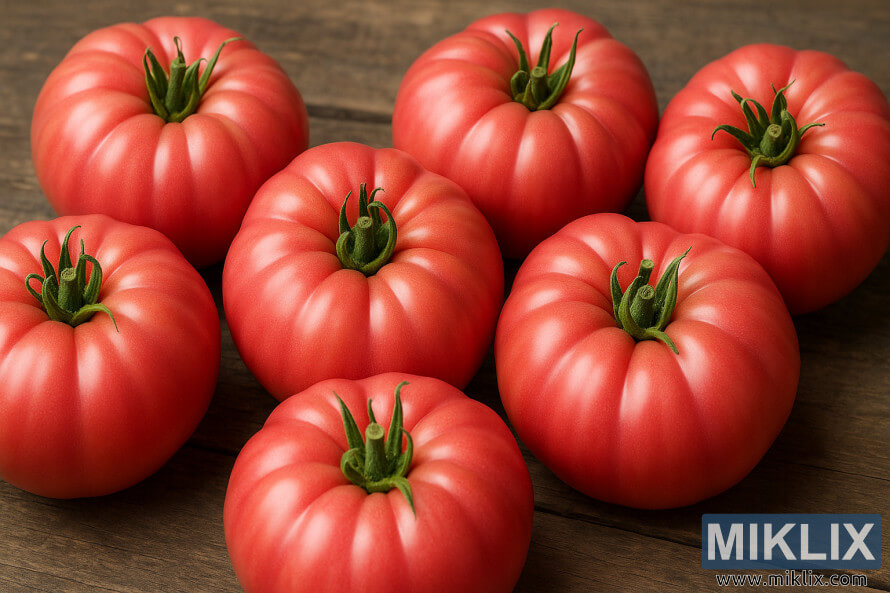
Click or tap the image for more information and higher resolutions.
Cherokee Purple
Indeterminate 80-90 days
This Native American heirloom produces medium to large fruits with a distinctive dusky purple-pink color and green shoulders. The flavor is rich, sweet, and smoky – often winning taste tests among heirloom varieties.
Best uses: Fresh eating, sandwiches, salads
Growing tip: More productive than many heirlooms with better disease resistance.
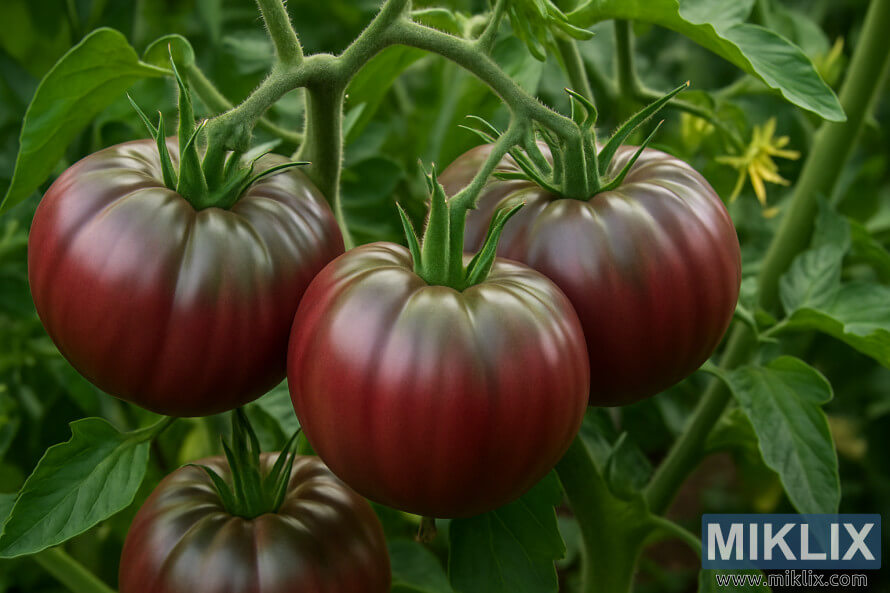
Click or tap the image for more information and higher resolutions.
Kellogg's Breakfast
Indeterminate 80-90 days
This stunning orange beefsteak tomato produces large fruits weighing up to 1 pound. The flavor is sweet and fruity with low acidity, and the bright color adds beautiful contrast to salads and plates.
Best uses: Fresh eating, colorful salads
Growing tip: More disease resistant than many heirloom varieties.
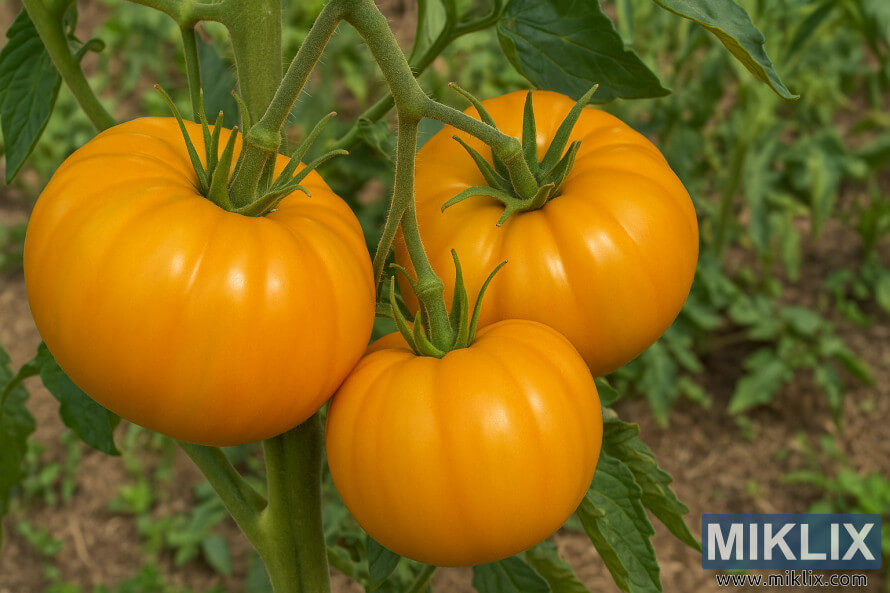
Click or tap the image for more information and higher resolutions.
Unique and Specialty Tomato Varieties
Beyond the common categories, there's a world of unique tomato varieties that can add excitement to your garden. These conversation starters offer unusual colors, shapes, and flavors that will impress friends and family.
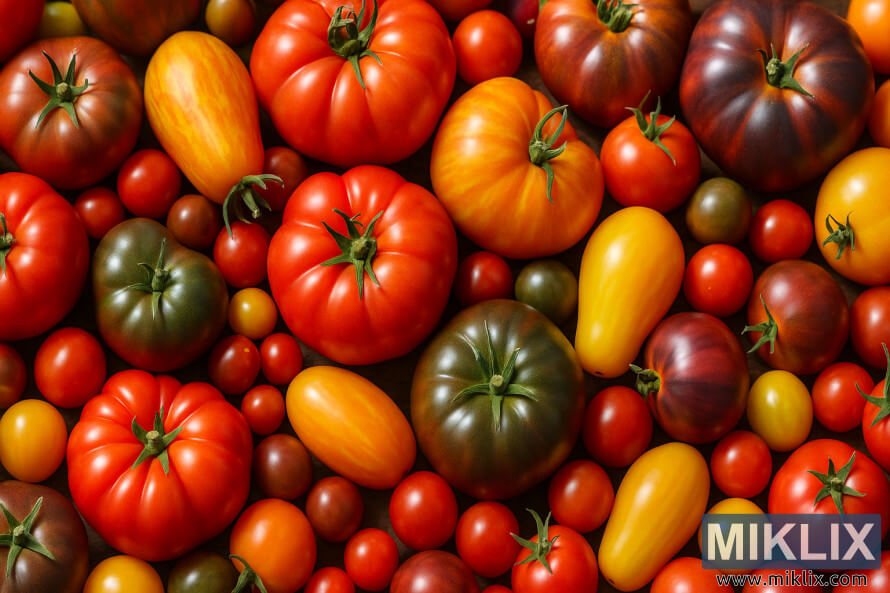
Click or tap the image for more information and higher resolutions.
Green Zebra
Indeterminate 75-80 days
This striking variety produces 2-3 inch fruits with yellow-green skin and dark green stripes. The flavor is bright, tangy, and slightly sweet – perfect for adding visual interest and zesty flavor to salads and salsas.
Best uses: Salads, salsas, as a conversation piece
Growing tip: Fruits are ripe when they develop a yellow blush and feel slightly soft to the touch.

Click or tap the image for more information and higher resolutions.
Sunrise Bumblebee
Indeterminate 70 days
These beautiful cherry tomatoes are primarily yellow with red streaks radiating from the blossom end. The flavor is sweet and mild, making them perfect for those who prefer less acidity in their tomatoes.
Best uses: Fresh eating, colorful salads
Growing tip: Harvest when the red streaking is prominent for best flavor.
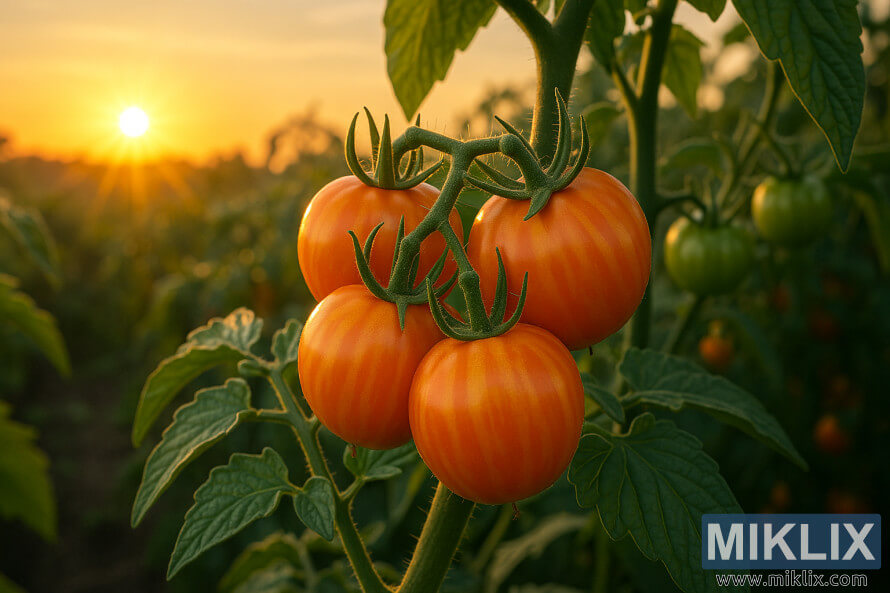
Click or tap the image for more information and higher resolutions.
Japanese Black Trifele
Indeterminate 80-85 days
This Russian heirloom produces pear-shaped fruits with a deep mahogany-brown color. The rich, smoky flavor has notes of chocolate and is often compared to other black tomato varieties but with a unique shape.
Best uses: Fresh eating, roasting, sauces
Growing tip: Prune to improve air circulation and prevent disease.
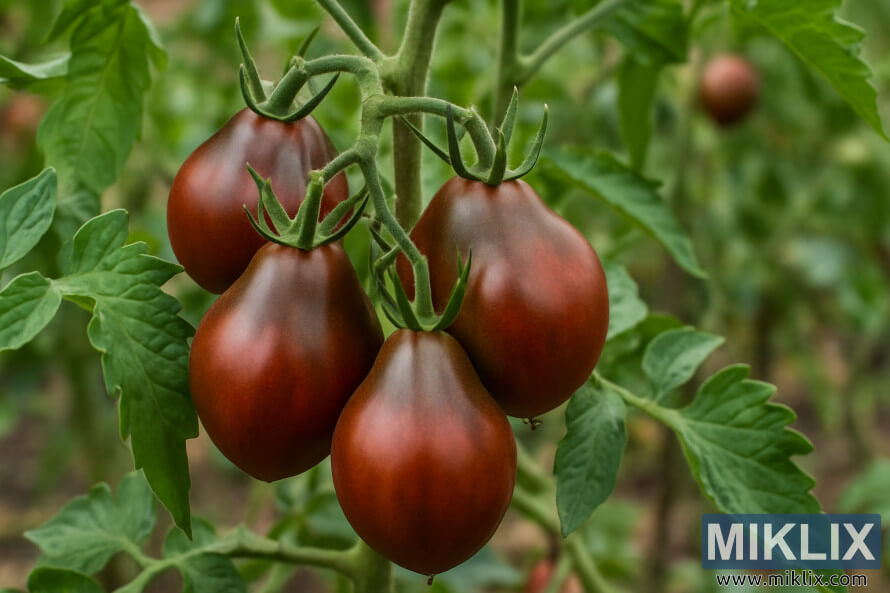
Click or tap the image for more information and higher resolutions.
Choosing the Right Tomato Varieties for Your Needs
With so many wonderful tomato varieties available, selecting the right ones for your specific situation is key to gardening success. Consider your growing conditions, available space, and how you plan to use your harvest.
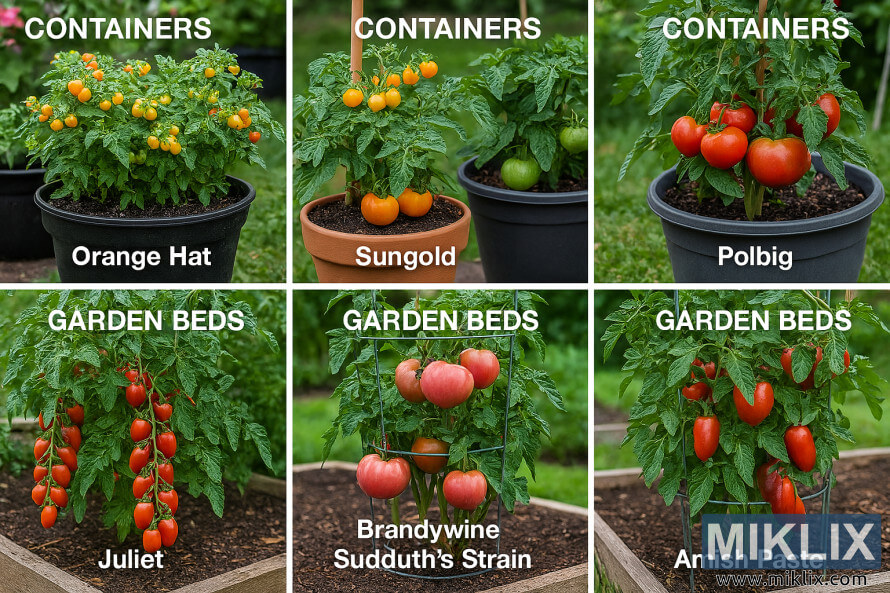
Click or tap the image for more information and higher resolutions.
Best Tomatoes for Different Growing Situations
For Container Gardens
- Patio (determinate, compact)
- Tiny Tim (determinate, dwarf)
- Tumbler (determinate, trailing)
- Bush Early Girl (determinate)
- Sweet Million (indeterminate but manageable)
For Beginners
- Roma (determinate, reliable)
- Early Girl (indeterminate, quick)
- Celebrity (determinate, disease-resistant)
- Sungold (indeterminate, productive)
- Cherry varieties generally
For Challenging Climates
- Legend (late blight resistance)
- Stupice (cold tolerance)
- Eva Purple Ball (heat tolerance)
- San Marzano (drought tolerance)
- Mountain varieties (disease resistance)
Best Tomatoes for Different Uses
| Purpose | Best Varieties | Why They Work |
| Sauce Making | Roma, San Marzano, Amish Paste | Low moisture, meaty texture, fewer seeds |
| Sandwiches | Brandywine, Cherokee Purple, Beefsteak | Large size, meaty texture, rich flavor |
| Salads | Cherry varieties, Green Zebra, Juliet | Bite-sized or visually interesting, sweet flavor |
| Canning Whole | Roma, San Marzano, Celebrity | Firm texture, hold shape when processed |
| Long-term Production | Sungold, Sweet Million, Juliet | Indeterminate, disease resistant, productive |
Essential Growing Tips for All Tomato Varieties
While different tomato varieties have specific needs, all tomatoes share some basic requirements for successful growth. Follow these fundamental tips to ensure a bountiful harvest regardless of which varieties you choose.
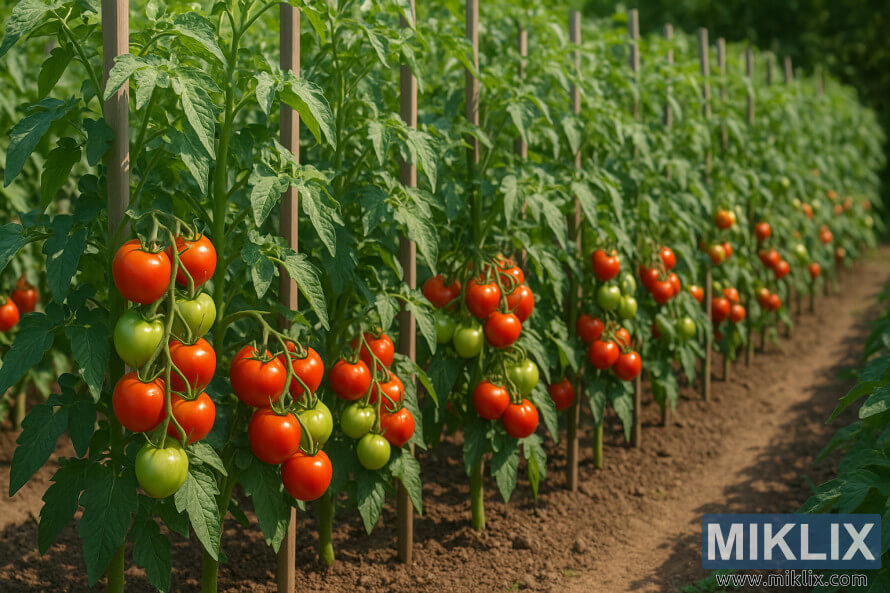
Click or tap the image for more information and higher resolutions.
Sunlight and Location
- Choose a spot with at least 6-8 hours of direct sunlight daily
- Ensure good air circulation to prevent disease
- Rotate planting locations yearly to prevent soil-borne diseases
- Consider afternoon shade in very hot climates
Soil and Planting
- Use rich, well-draining soil with plenty of organic matter
- Plant deeply, burying 2/3 of the stem to encourage strong root development
- Space plants according to variety (18-36 inches apart)
- Add a handful of compost to each planting hole
Watering and Feeding
- Water deeply and consistently, about 1-2 inches per week
- Water at the base to keep foliage dry and prevent disease
- Feed with balanced organic fertilizer when planting and when first fruits appear
- Consider calcium supplementation to prevent blossom end rot
Support and Maintenance
- Install stakes, cages, or trellises at planting time
- Prune indeterminate varieties to improve air circulation and focus energy
- Remove suckers (side shoots) for larger (but fewer) fruits
- Apply mulch to maintain soil moisture and prevent soil-borne disease splash
Tip: Succession Planting
For a continuous harvest, consider planting a few tomato seedlings every 2-3 weeks through the early part of the growing season. This strategy works especially well with determinate varieties, ensuring you'll have fresh tomatoes throughout the summer and fall.
Preventing Common Tomato Problems
Even the best tomato varieties can face challenges. Understanding common problems and how to prevent them will help ensure your tomato growing success.
Disease Prevention Strategies
- Choose disease-resistant varieties when possible
- Practice crop rotation (don't plant tomatoes in the same spot year after year)
- Provide good air circulation between plants
- Water at the base, not on foliage
- Apply mulch to prevent soil splash onto leaves
- Remove and destroy diseased plant material promptly
- Clean tools between plants when pruning
Common Tomato Problems to Watch For
- Blossom end rot (black bottom on fruits) - caused by calcium deficiency
- Early blight (brown spots on lower leaves) - fungal disease
- Late blight (dark patches, white fuzz) - devastating fungal disease
- Cracking (splits in fruit) - caused by inconsistent watering
- Sunscald (white/yellow patches) - caused by sudden exposure to sun
- Catfacing (scarred, deformed fruit) - caused by cold during flowering
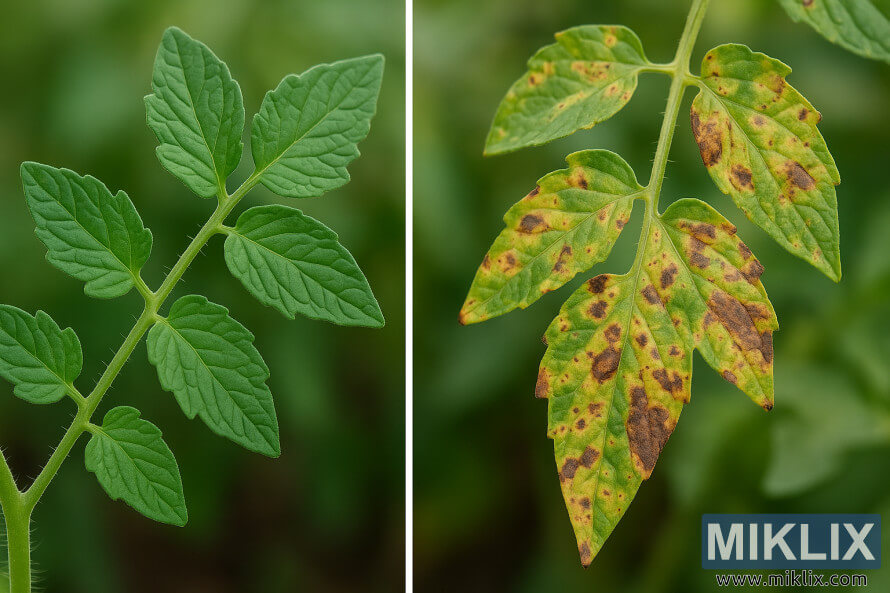
Click or tap the image for more information and higher resolutions.
Harvesting and Enjoying Your Tomatoes
After all your careful variety selection and growing efforts, proper harvesting ensures you'll enjoy the best flavor from your homegrown tomatoes.

Click or tap the image for more information and higher resolutions.
When and How to Harvest
- Harvest when fruits are fully colored but still firm
- For best flavor, allow tomatoes to fully ripen on the vine
- Harvest in the morning when temperatures are cooler
- Cut rather than pull fruits to avoid damaging plants
- At season's end, harvest green tomatoes before frost and ripen indoors
Storing Your Harvest
- Store ripe tomatoes at room temperature, not in the refrigerator
- Arrange in a single layer, not touching, to prevent bruising
- Use the ripest tomatoes first
- For longer storage, consider canning, freezing, or drying
Conclusion: Your Tomato Growing Success Awaits
Growing your own tomatoes is one of the most rewarding experiences a gardener can have. The incredible diversity of tomato varieties means there's something perfect for every garden, taste preference, and culinary need. From the candy-sweet Sungold cherry tomatoes to the rich, complex flavor of Cherokee Purple, each variety brings something special to your garden and table.
Remember that growing conditions vary, so don't be afraid to experiment with different varieties until you find your personal favorites. Start with a mix of reliable producers and interesting new varieties each season. Take notes on what performs well in your specific garden conditions, and you'll soon develop your own list of "best tomatoes to grow."
Whether you're a beginner just starting your first garden or an experienced grower looking to try something new, the perfect tomato is out there waiting for you. Get your hands in the soil, plant those seedlings, and prepare for the unmatched pleasure of harvesting your very own sun-warmed, perfectly ripe tomatoes. Your taste buds will thank you!
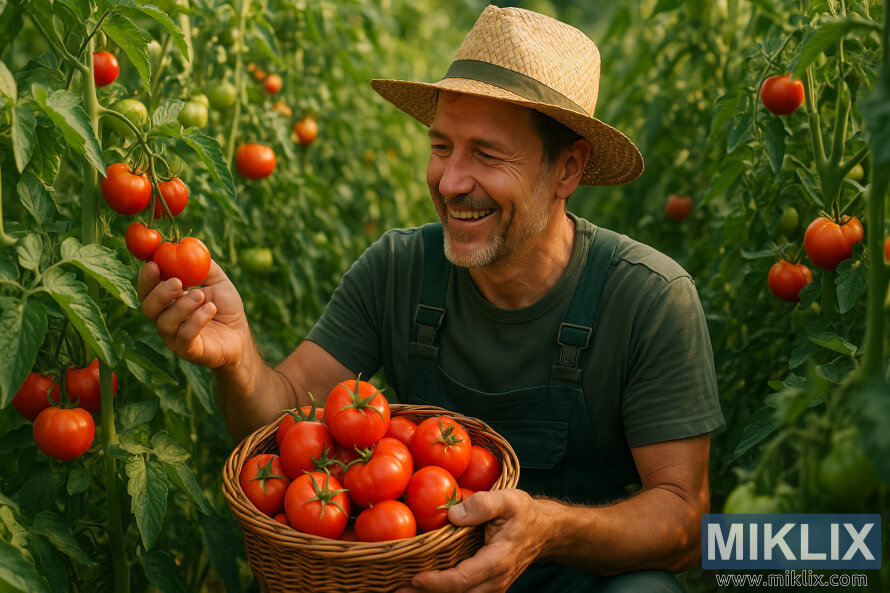
Click or tap the image for more information and higher resolutions.
Frequently Asked Questions About Growing Tomatoes
What are the easiest tomato varieties for beginners?
Cherry tomatoes like Sungold and Sweet Million are generally the easiest for beginners, as they're more forgiving and produce quickly. Determinate varieties like Roma and Celebrity are also good choices as they require less maintenance. Look for varieties labeled as disease-resistant for even greater success.
Can I grow tomatoes in containers?
Absolutely! Determinate varieties like Patio, Bush Early Girl, and Roma are excellent for containers. Cherry tomatoes also do well in pots. Use containers at least 5 gallons in size with good drainage, high-quality potting mix, and consistent watering for best results.
How many tomato plants do I need?
For a family of four, 4-6 plants will provide plenty of tomatoes for fresh eating. If you plan to can or preserve, consider planting 10-12 plants. Remember that indeterminate varieties produce more over a longer season than determinate types.
What does "days to maturity" mean for tomatoes?
Days to maturity indicates the approximate time from transplanting (not from seed) until the plant produces ripe fruit. This can vary based on growing conditions, but it gives you a good estimate of how quickly you'll be harvesting.
Can I save seeds from my tomatoes to plant next year?
You can save seeds from heirloom and open-pollinated varieties, which will produce plants identical to the parent. Hybrid varieties won't come true from seed. To save seeds, scoop them from a fully ripe tomato, ferment for a few days in water, rinse, and dry thoroughly before storing in a cool, dry place.
Further Reading
If you enjoyed this post, you may also like these suggestions:
- Growing Watermelons: Your Complete Guide to Juicy, Homegrown Success
- Growing Carrots: The Complete Guide to Garden Success
- Growing Green Beans: A Complete Guide for Home Gardeners