
Hops in Beer Brewing: Cicero
Published: December 1, 2025 at 8:52:12 PM UTC
Cicero hops are gaining recognition for their balanced bitterness and floral-citrus aroma. Developed with bitterness and aroma in mind, they represent a dual-purpose hop. This makes them ideal for both bittering and late additions in beer brewing.
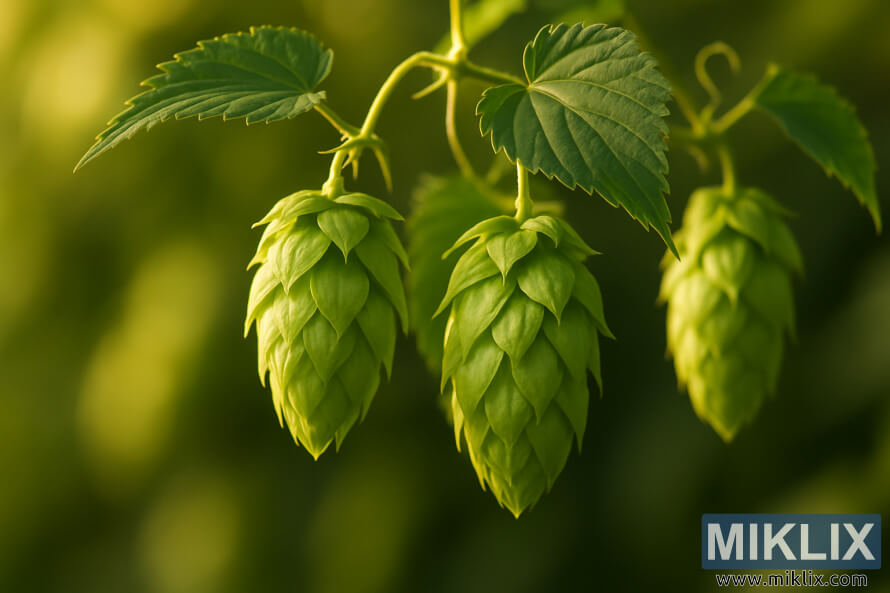
Click or tap the image for more information and higher resolutions.
Key Takeaways
- Cicero hops combine moderate bitterness and aromatic potency, fitting a variety of beer styles.
- The Cicero hop variety is known for reliable alpha acid values, aiding in predictable formulations.
- As part of the Slovenian hops tradition, Cicero traces its breeding work back to Žalec research programs.
- Dual-purpose hops like Cicero excel in both early kettle additions and late aroma work.
- Expect detailed guidance on storage, alpha retention, and practical dosages later in the article.
Introduction to Cicero and Slovenian hop heritage
Cicero's roots trace back to Slovenia, where meticulous breeding created a versatile hop. Developed at the Hop Research Institute Zalec in the 1980s, Dr. Dragica Kralj crafted it from a cross of Aurora and a Yugoslavian male.
It falls within the Super Styrian hops group, celebrated for its balanced aroma and versatility. Cicero's profile mirrors that of Cekin and Styrian Golding, sharing similar aroma characteristics.
Slovenian hop heritage is rich and diverse, extending beyond Cicero. Varieties like Celeia, Cekin, Aurora, and Styrian Golding showcase a long history of breeding for flavor, resilience, and grower preferences.
Despite its noble lineage, Cicero remains underutilized, with limited commercial adoption. It is rare in U.S. markets, yet its unique characteristics appeal to craft brewers seeking European flair.
Exploring Cicero's origins and its place among European hops provides insight into its flavor profile. This foundation prepares readers for a deeper dive into its aroma, chemistry, and practical applications in brewing.
Cicero hops
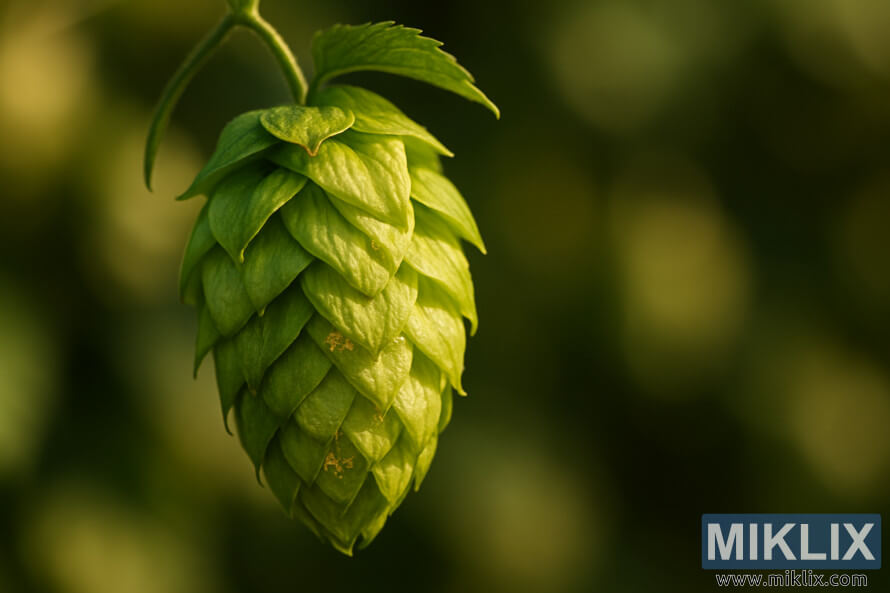
The Cicero hop is celebrated for its dual-purpose nature, excelling in both bittering and aroma applications. It is identified as a female cultivar with late maturity and dark green foliage. Its moderate alpha acids contribute dependable bitterness, complementing the flavors of malt and yeast without dominance.
Chemical analyses reveal alpha acids ranging from 5.7% to 7.9%, with averages around 6% to 6.5%. This versatility makes it a staple in single-hop trials and mixed hop blends. Beer-Analytics reports that Cicero typically constitutes about 29% of the hop bill in which it is used.
Rooted in Slovenian hop heritage, Cicero is akin to its sibling, Cekin. Its aromatic profile, reminiscent of Styrian Golding, offers subtle floral and earthy notes. These characteristics are ideal for traditional ales and lagers, making it a valuable addition in late additions and dry hopping.
Field performance varies by region. In Slovenia, growth is described as good, whereas in the United States, it is rated fair. Side-arm lengths typically range from 10 to 12 inches. These metrics are critical for trellis planning and determining the optimal harvest time.
- Use: dual-purpose bittering and aroma
- Alpha acids: moderate, ~5.7%–7.9%
- Growth: late maturity, female cultivar, dark green leaves
- Recipe share: often ~29% of hop bill
Click or tap the image for more information and higher resolutions.
Flavor and aroma profile of Cicero
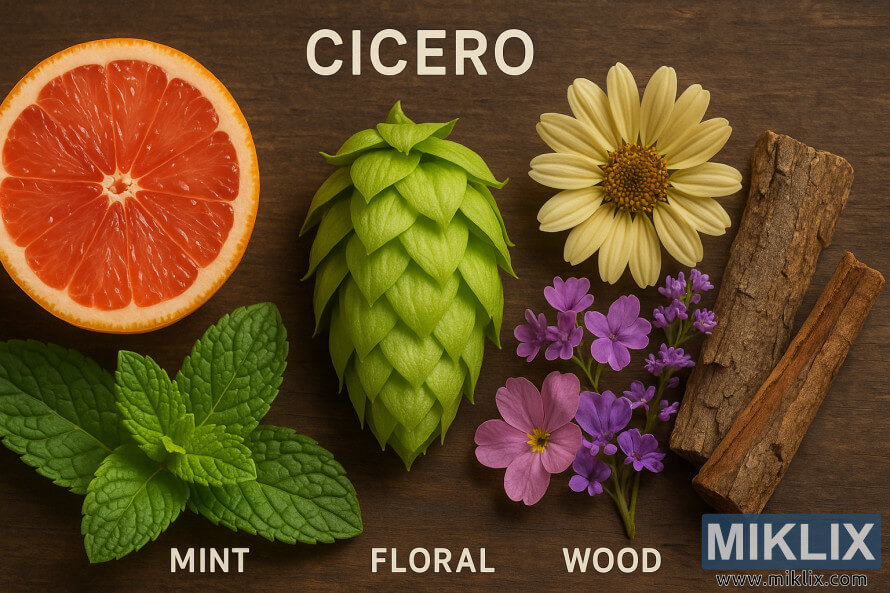
The Cicero flavor profile is rooted in classic European notes, eschewing bold tropical fruit. It presents a delicate blend of floral and mild spice, supported by a soft herbal backbone. This makes it ideal for traditional lagers and ales.
The aroma of Cicero is reminiscent of Styrian Golding, with its subtle earthiness and gentle florals. This restrained character is perfect for late additions and dry hopping. It adds nuance without the bold citrus often sought in hops.
Being part of the earthy continental hops family, Cicero enhances malt-forward and English or Belgian styles. It pairs well with caramel, biscuit, and toasty malts. This combination adds complexity without overpowering the base beer.
- Delicate floral top notes for subtle aroma lift
- Mild spice and herbaceous nuances for balance
- Earthy continental hops character that supports traditional profiles
Unlike highly fruity American varieties, Cicero prefers refinement. It's best used to introduce a continental dimension. This is where a gentle, Styrian-style accent is preferred over an aggressive fruit-forward hit.
Chemical makeup and brewing properties
The chemical makeup of Cicero reveals a clear alpha range, essential for brewers. Alpha acid values range from 5.7% to 7.9%. Beer-Analytics suggests a working range of 6%–6.5% for recipe planning.
Beta acids are modest, ranging from 2.2% to 2.8%. Cohumulone, a significant component of alpha acids, makes up 28%–30%. This impacts the beer's bitterness quality and rounding.
Oil content is moderate, between 0.7–1.6 ml per 100 g. Myrcene dominates the hop oil composition, accounting for 38.3% to 64.9% of total oils. This gives the beer a resinous, green-hopped character, ideal for late additions and dry hopping.
Other oils include humulene, caryophyllene, and farnesene. These contribute herbal, floral, and spicy notes, enriching the beer's aroma.
- Alpha and bittering: moderate bitterness suitable for balanced ales and lagers.
- Aroma and flavour: myrcene-led resinous note with secondary herbal and floral traits.
- Bitter quality: cohumulone’s higher share can sharpen bitterness; dose and timing matter.
Cicero is a versatile hop, excelling in both early kettle additions for bitterness and late additions or dry hop for aroma. Its moderate alpha acid level ensures control without overpowering malt.
When choosing Cicero, consider its hop oil composition and cohumulone proportion. These elements influence the beer's resinous base, herbal top notes, and spicy finish, thanks to caryophyllene.
Click or tap the image for more information and higher resolutions.
Growing, yield and agricultural traits
The Cicero variety was developed at the Hop Research Institute in Žalec, Slovenia. It came from a cross of Aurora and a Yugoslavian male. This hop is late-maturing, showing solid performance in local soils and climate. Growers in Slovenia report reliable climbing vigor and female plants with dark green leaves.
Catalog data lists a sample Cicero hop yield of about 727 pounds per acre. This figure serves as a baseline for planning, though actual output varies. Factors like soil, trellis management, and weather play a role. In the United States, Cicero agriculture has shown only fair results when compared to its Slovenian performance.
Plant characteristics include side-arm lengths near 10–12 inches. These help form moderate cone loads without extreme canopy density. Such traits make training and harvest straightforward for experienced crews. Hop acreage Slovenia remains limited for Cicero due to modest adoption among commercial brewers.
Disease profiles matter for production. Cicero displays moderate hop resistance downy mildew. This reduces the need for intensive fungicide programs in many seasons. Routine scouting and good airflow in the trellis remain important to protect yield and cone quality.
Limited commercial acreage affects availability and scale-up for brewers and suppliers. Small plantings suit trial runs, home brewers, and regional craft operations. They value unique varietals. Planning should factor in local trial results to predict realistic Cicero hop yield for a given site.
Storage, shelf life, and alpha retention
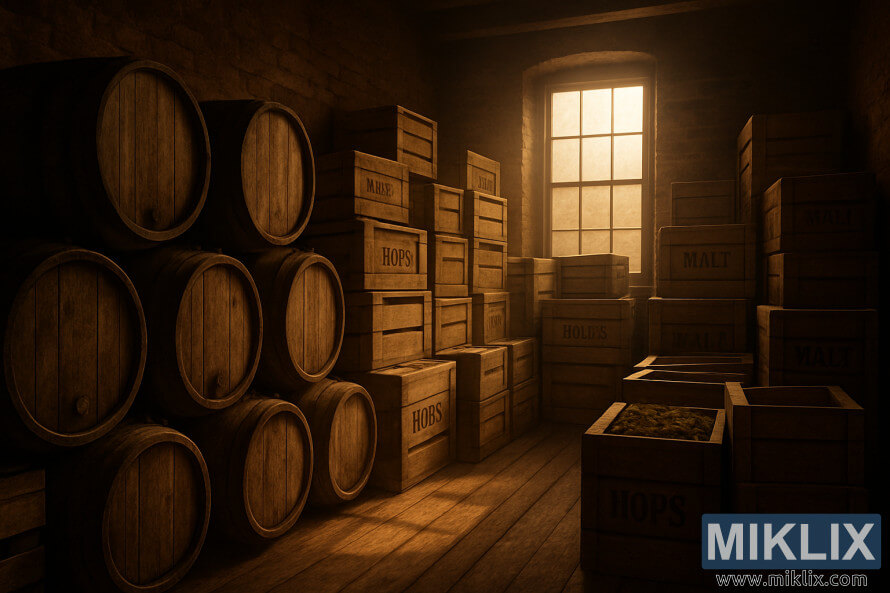
Proper hop storage is critical for brewers using Cicero. Hops exposed to air and light lose their aroma and bitterness compounds quickly. Keeping them cold and sealed slows this process down.
USDA data shows Cicero retains about 80% of its alpha acids after six months at 68°F (20°C). This provides a practical estimate for hop shelf life without refrigeration. With careful packaging and handling, bitterness can remain usable beyond this timeframe.
To achieve the best results, store pellets below 40°F (4°C) in opaque, oxygen-barrier bags. Vacuum-sealed or nitrogen-flushed packages further extend hop shelf life by limiting oxygen exposure. Pelletizing and refrigeration help preserve the volatile oils that give Cicero its floral and green notes.
Myrcene and other volatile oils in Cicero can evaporate with poor storage. Brewers aiming for peak aroma should rotate stock, maintain low ambient temperatures, and avoid frequent container openings. Cold, dark, and oxygen-free conditions are essential for preserving both alpha acids and essential oils.
- Keep Cicero in opaque, oxygen-barrier bags.
- Store at hop storage temperature under 40°F (4°C) when possible.
- Use vacuum or nitrogen flushing to improve hop shelf life.
- Expect roughly 80% alpha acid retention after six months at 68°F (20°C).
Adhering to these guidelines helps maintain alpha acid retention and aroma. Even small changes in handling can significantly reduce bitterness and scent loss. This ensures Cicero remains effective for both bittering and late-hop additions.
Click or tap the image for more information and higher resolutions.
Brewing uses and typical dosage
Cicero is a versatile hop, suitable for both bittering and aroma. Its moderate alpha acid content, around 6%, allows for balanced bitterness without the need for high-alpha hops. This versatility makes it a favorite among brewers.
When brewing, Cicero is often added early in the boil for bittering and late for aroma. Early additions contribute a mild bitterness, ideal for lagers and pale ales. Late additions or whirlpool additions bring out a Styrian Golding-like character, adding depth to the beer.
Homebrewers adjust Cicero dosage based on its intended use. For bittering, more grams are needed compared to high-alpha hops. By considering the hop percentages and alpha range, brewers can accurately calculate IBUs and adjust the amount of Cicero used.
- For bittering: calculate IBUs using moderate alpha and raise hop weight to match desired IBU level.
- For aroma/finish: target Cicero aroma additions of roughly 1–4 g/L in late additions or dry hop, depending on intensity.
- For single-hop trials: Cicero often composes about 28.6%–29% of the hop bill in recipes where it plays a main role.
Cicero's aroma is subtle, making it a great base for balanced beers. It pairs well with more aromatic hops, allowing the other hop to provide bold top notes. This combination creates a harmonious flavor profile.
Practical tips: track hop percentages in your recipe and scale Cicero dosage by style. For pilsners and blond ales, bias toward early additions. For amber ales and saison, emphasize late and dry-hopping to reveal subtle floral and herbal cues.
Beer styles that suit Cicero
Cicero excels in traditional European styles, where its subtle floral and earthy hop notes shine. It's perfect for Pilsner and European Pale Ales, adding a refined, continental touch without overpowering bitterness.
Belgian ales and Saison benefit from Cicero’s soft spice and light herbal tones. Adding late-kettle or dry-hop doses enhances the aroma, keeping the beer balanced and easy to drink.
- Classic lagers: Pilsner and Vienna lager for restrained hop perfume.
- Belgian styles: Saison and saison hybrids that welcome gentle floral character.
- European Pale Ales and amber ales aiming for a continental profile.
For brewers aiming to showcase Cicero hops, single-hop trials are enlightening. They reveal its similarity to Styrian/Golding hops, delivering a rounded herbal aroma. This is ideal for light to medium-bodied recipes.
Cicero is also suitable for balanced IPAs and Pale Ales, adding a continental edge without the bright citrus. Pair it modestly with fruity American varieties to create contrast without losing the hop’s signature restraint.
In hop-forward West Coast or New England IPAs, use Cicero sparingly. It shines when chosen for subtlety, not for pushing tropical or dank profiles.
Both homebrewers and professional brewers find Cicero useful for exploring Styrian hops in beer. Single-hop batches and blends showcase its floral, earthy character while keeping recipes accessible.
Hop pairings and blend ideas
Cicero hop pairings excel when balanced between bold New World hops and soft continental varieties. Use Cicero as a supporting hop, making up 25–35% of the total. This ensures its soft herbal and green-fruit notes are present but don't overpower the beer.
Explore hop blends that combine Cicero with American classics like Cascade, Centennial, or Amarillo. These hops bring bright citrus and tropical notes. Cicero adds a subtle herbal backbone and a clean finish, creating a balanced flavor profile.
Styrian hop blends maintain their continental character when paired with Cicero and other Slovenian varieties. Combine Cicero with Celeia, Cekin, Bobek, or Styrian Golding for a cohesive profile in pilsners, Belgian ales, and saisons.
- Traditional continental pale ale: Cicero + Celeia + Styrian Golding.
- Hybrid American pale ale: Cicero for bittering, Cascade or Amarillo for late additions and aroma.
- Belgian saison: Cicero in late additions with Saaz or Strisselspalt to lift spice and floral notes.
Staggered additions enhance blend ideas. Use Cicero early for balanced bittering, then add more aromatic hops late. This approach ensures Cicero's hop pairings are clear and layered in the final beer.
For ales with an English tone, blend Cicero with East Kent Goldings, Fuggle, or Willamette. These hops add mild spice and floral depth, complementing Cicero's grassy and green-fruit nuances without overpowering them.
In Styrian hop blends, aim for complementary bitterness and aroma. Keep Cicero as a notable but not dominant voice. Test single-hop trials to refine percentages before scaling up recipes.
Substitutes and similar varietals
When Cicero hops are scarce, several alternatives can step in without disrupting the recipe's balance. The Styrian Golding family is a common choice for their subtle floral and earthy notes.
For those seeking a Styrian Golding substitute, Celeia or Bobek are excellent options. They bring gentle herbal undertones and a hint of spice. These hops mimic Cicero's soft aroma, ideal for lagers and balanced ales.
Cekin is another viable substitute, being a sibling of Cicero. It maintains the delicate floral essence while ensuring consistent availability for brewers of all scales.
Aurora, Cicero's parent, can also be used in some recipes. It offers similar traits but with a slightly brighter aroma. Use it sparingly for this effect.
- For like-for-like aroma: Celeia, Bobek, Cekin.
- For parent-character overlap: Aurora.
- If you want a hybrid result: American varieties such as Cascade or Amarillo will shift the profile toward citrus and resin.
When substituting, ensure late additions and dry-hop rates are matched to maintain balance. Cicero substitutes and similar hops should be used as gentle aroma contributors, not as strong citrus or pine elements.
Always test small batches before scaling up a recipe. This approach helps understand how the substitute interacts with your malt and yeast. It ensures the final beer stays true to its original vision.

Click or tap the image for more information and higher resolutions.
Recipe examples and single-hop trials
These recipes are a starting point to explore Cicero's unique character. By conducting brewing trials, you can see how Cicero performs at different stages. Start with simple recipes, track each modification, and reuse successful elements.
Beer-Analytics reveals that Cicero's average percentage in recipes is around 28.6–29%. Use this as a starting point when designing blends or single-hop experiments.
- Single-hop Ale: Create a 5-gallon pale ale with 100% Cicero hops. Assume 6% alpha for IBU calculations. Use Cicero for bittering at 60 minutes, and for late additions at 15 and 5 minutes. Finish with a 3–5 day dry hop. This recipe showcases Cicero's bitterness, flavor, and aroma without any masking hops.
- Cicero Saison: Aim for an OG of 1.048–1.055. Incorporate Cicero at 25–35% of the hop bill, complemented by Saaz or Strisselspalt. Late additions and a brief dry hop with Cicero emphasize peppery and floral notes while preserving yeast-driven esters.
- Continental Pilsner: Employ lager yeast for a clean fermentation. Use Cicero mainly for late whirlpool and modest dry hopping to introduce a subtle floral aroma. This method highlights Cicero's delicate aroma in a low-ester environment.
Here are dosage examples for a 5-gallon (19 L) batch, assuming a 6% alpha:
- Bittering for ~30 IBU: about 2.5–3 oz (70–85 g) at 60 minutes. Use brewing software to refine numbers for your system.
- Late aroma: 0.5–1 oz (14–28 g) at 10–0 minutes or whirlpool to capture floral and herbal lift.
- Dry hop: 0.5–1 oz (14–28 g) for 3–7 days depending on desired intensity and contact.
For homebrewers refining their methods, a Cicero homebrew recipe should include precise timing and measured hop weights. Running a Cicero trial beer alongside a control batch helps isolate its contribution.
Single-hop trials are the quickest way to understand Cicero's role before blending it. Keep detailed notes on perceived bitterness, herbal tones, and lingering spice. This will help you scale recipes with confidence.
Availability, sourcing, and purchasing tips
Cicero hops are grown on a limited area in Slovenia. They have seen modest adoption in the U.S. This results in sporadic availability compared to more common American varieties.
To purchase Cicero hops, explore specialty hop suppliers and European importers. They often list Super Styrian or Slovenian varieties. Small catalogs and boutique merchants may offer whole-cone or pellet formats.
- Prefer Cicero pellet hops for longer shelf life and steadier dosing in recipes.
- Look for suppliers that publish alpha ranges (5.7%–7.9%) and oil content so you can adjust bittering and aroma.
- Verify harvest year and packaging: vacuum-sealed or nitrogen-flushed bags keep freshness.
For larger volumes, start sourcing Slovenian hops early. Reach out to Slovenian breeders, importers, or specialized hop merchants for lead times and minimum lot sizes.
Expect variable pricing and smaller lots. To stretch limited stock, plan blends that mix Cicero with more available varieties without losing the desired profile.
- Confirm Cicero hop availability with multiple vendors before finalizing an order.
- Ask for COA or lab data when possible to match alpha acids and oil targets.
- Prefer pelletized shipments and refrigerated transport for best retention.
When buying Cicero hops, budget extra time for shipping and customs if importing. Good advance planning makes sourcing Slovenian hops and securing Cicero pellet hops far easier for both homebrewers and commercial brewers.
Conclusion
This summary of Cicero highlights a reliable Slovenian dual-purpose hop from the Hop Research Institute in Žalec. It boasts moderate alpha acids, ranging from 5.7% to 7.9%. This makes Cicero suitable for continental styles, with a floral and earthy aroma reminiscent of Styrian Golding.
For brewers, Cicero's versatility shines. It's ideal for late additions and bittering in various beers, including Belgian ales, Pilsners, Saisons, and European pale ales. Its moderate yields and late maturity are advantages. Proper storage ensures alpha retention of about 80% after six months at 68°F.
For those looking to experiment, single-hop trials can reveal Cicero's subtle Styrian character. Blending it with Celeia, Cekin, or Styrian Golding can also be rewarding when Cicero is scarce. Its balanced aroma and practical traits make it a valuable addition for brewers aiming for a subtle, continental hop flavor.
Further Reading
If you enjoyed this post, you may also like these suggestions: